
When your windshield suffers damage, deciding between repair and replacement is an important choice that affects vehicle safety, cost, and structural integrity. Minor chips and cracks may be addressed quickly, while more severe damage could require a full replacement. Understanding the differences between repair and replacement helps drivers protect both their investment and their safety on the road. This article explores the factors involved in windshield repair, replacement, and the professional guidance that ensures the best outcome for every situation.
Recognize Types of Windshield Damage
Windshield damage presents in multiple forms, including chips, cracks, and scratches. Chips are often small, round blemishes caused by flying debris such as rocks or gravel. Cracks are linear fractures that can grow from sudden temperature changes or impacts. Scratches, while generally less severe, can still reduce visibility and accumulate over time. Identifying the type of damage is essential to determine if windshield repair is suitable or if replacement is necessary.
Small chips typically respond well to professional repair. Cracks exceeding several inches, particularly those reaching the windshield edges, generally require replacement. Edge cracks, located near the periphery of the glass, are especially concerning. According to Insurance Journal, edge cracks account for approximately 70 to 80% of windshield replacement claims for auto insurance. Evaluating damage accurately is key to choosing the safest, most cost-effective solution.
Identify Common Causes of Damage
Windshield damage results from several sources, each contributing uniquely to severity. Road debris such as gravel, stones, or loose asphalt can chip or crack the windshield. Weather extremes, including hail or sudden temperature shifts, create stress points that may cause fractures. Collisions and accidents present immediate threats, sometimes shattering the windshield or creating complex crack patterns. Recognizing these causes helps drivers prevent further damage and make informed decisions about repair or replacement.
Preventive measures can mitigate risks. Maintaining safe distances from other vehicles, parking in sheltered areas, and routinely inspecting the windshield for minor damage all reduce the likelihood of extensive issues. Early intervention increases the effectiveness of windshield fixing, protecting the vehicle's structural integrity while minimizing cost.
Assess the Severity of Damage
The size, location, and type of damage dictate whether repair or replacement is appropriate. Small chips and short cracks are often suitable for professional repair, whereas extensive or edge-damaging cracks generally necessitate replacement. Damage near the driver's line of sight, even if minor, may require careful consideration to maintain safety and visibility.
Consulting with an experienced professional provides clarity and ensures that the proper solution is chosen. Windshield repair can restore small damage effectively, but delaying evaluation can allow cracks to grow, compromising safety. Professional assessment optimizes both cost and structural protection, ensuring that minor issues do not escalate into major safety concerns.
Understand the Role of Windshields in Vehicle Safety
Windshields contribute significantly to vehicle safety and structural integrity. They protect passengers from external debris, support airbag deployment, and can account for up to thirty percent of vehicle strength in rollovers. A damaged or weakened windshield reduces these protections, increasing the risk of injury during accidents. Maintaining a clear, structurally sound windshield is essential to both driver and passenger safety.
Neglecting windshield damage may result in compromised visibility or glass failure during collisions. Promptly addressing chips and cracks through professional windshield repair preserves both safety and performance. Drivers who act quickly enhance their overall driving security, maintaining the protective benefits of a high-quality windshield.
Seek Professional Advice Promptly
Professional guidance is essential when managing windshield damage. Automotive glass technicians evaluate whether windshield fixing is sufficient or if replacement is necessary. Minor chips often respond well to repair, but damage affecting structural integrity, particularly edge cracks, should be assessed immediately by a professional. Experts ensure that repairs meet safety standards and provide guidance on insurance claims and warranties, helping drivers make informed, cost-effective choices.
Timely professional intervention prevents minor damage from worsening and reduces the likelihood of costly replacements. Routine evaluations and inspections foster proactive maintenance, giving drivers confidence that their windshields remain safe and reliable. Establishing a relationship with qualified technicians enhances long-term vehicle protection and peace of mind.
Explore Benefits of Windshield Repair
Windshield fixing offers numerous advantages when the damage is minor. Repairs are generally less expensive than replacement and can often be completed in under an hour, minimizing downtime. Filling chips and cracks with specialized resin restores strength while preserving clarity. Repairs also have environmental benefits, reducing waste by extending the lifespan of the existing windshield.
High-quality windshield repair maintains structural integrity, protects passengers, and provides warranties for added assurance. Drivers benefit from professional techniques that blend repairs seamlessly with the surrounding glass, ensuring both functional and aesthetic quality. Timely repair preserves the windshield's protective role and prolongs its service life, making it an efficient choice for manageable damage.
Recognize Limitations of Windshield Repair
While windshield fixing is effective for small chips and cracks, it has limitations. Large cracks, damage near edges, or deep fractures often require full replacement. Repairs may not fully restore clarity or structural integrity if damage is extensive. Recognizing these limits ensures that safety is not compromised while choosing a cost-effective solution.
A professional assessment determines whether repair is viable. Attempting repair outside recommended conditions can result in future damage, reduced visibility, and safety risks. Understanding repair limitations helps drivers make informed decisions and prioritize long-term protection over temporary fixes.
Determine Suitable Conditions for Repair
Windshield fixing is most effective when damage is shallow, central, and under the size of a quarter. Chips that do not affect the edge or driver's line of sight are ideal candidates. Timely intervention prevents minor damage from escalating, maintaining the windshield's structural function.
Professional evaluation ensures repair suitability. Experienced technicians assess the depth, size, and location of damage to guarantee safety and durability. Vehicle owners benefit from prompt, accurate assessments, maximizing the efficiency and value of windshield repair.
Explain the Windshield Repair Process
Professional windshield fixing involves cleaning the damaged area, removing moisture and debris, and injecting a specialized resin into chips or cracks. UV light cures the resin, restoring strength to the glass. The process is quick, non-invasive, and typically completed in under an hour. Post-repair inspections confirm clarity, bond strength, and aesthetic quality, ensuring a safe and reliable repair.
Understanding the repair process helps drivers appreciate the efficiency, cost savings, and environmental benefits. Knowledgeable clients can evaluate the quality of work, promoting effective and informed decision-making regarding windshield repair.
Ensure Quality of Repairs and Longevity
The effectiveness and longevity of windshield repair depend on professional execution. Skilled technicians use advanced materials and techniques to restore structural strength and clarity. Properly conducted repairs prevent further crack propagation and maintain safety standards. Inferior repairs can reduce visibility, compromise strength, and shorten windshield lifespan.
High-quality repair enhances vehicle safety, performance, and long-term value. Professional services also provide warranties, adding reassurance. Consistent monitoring ensures that repaired areas remain effective, reducing the likelihood of repeated issues and preserving the vehicle’s overall condition.
Know When Windshield Replacement is Necessary
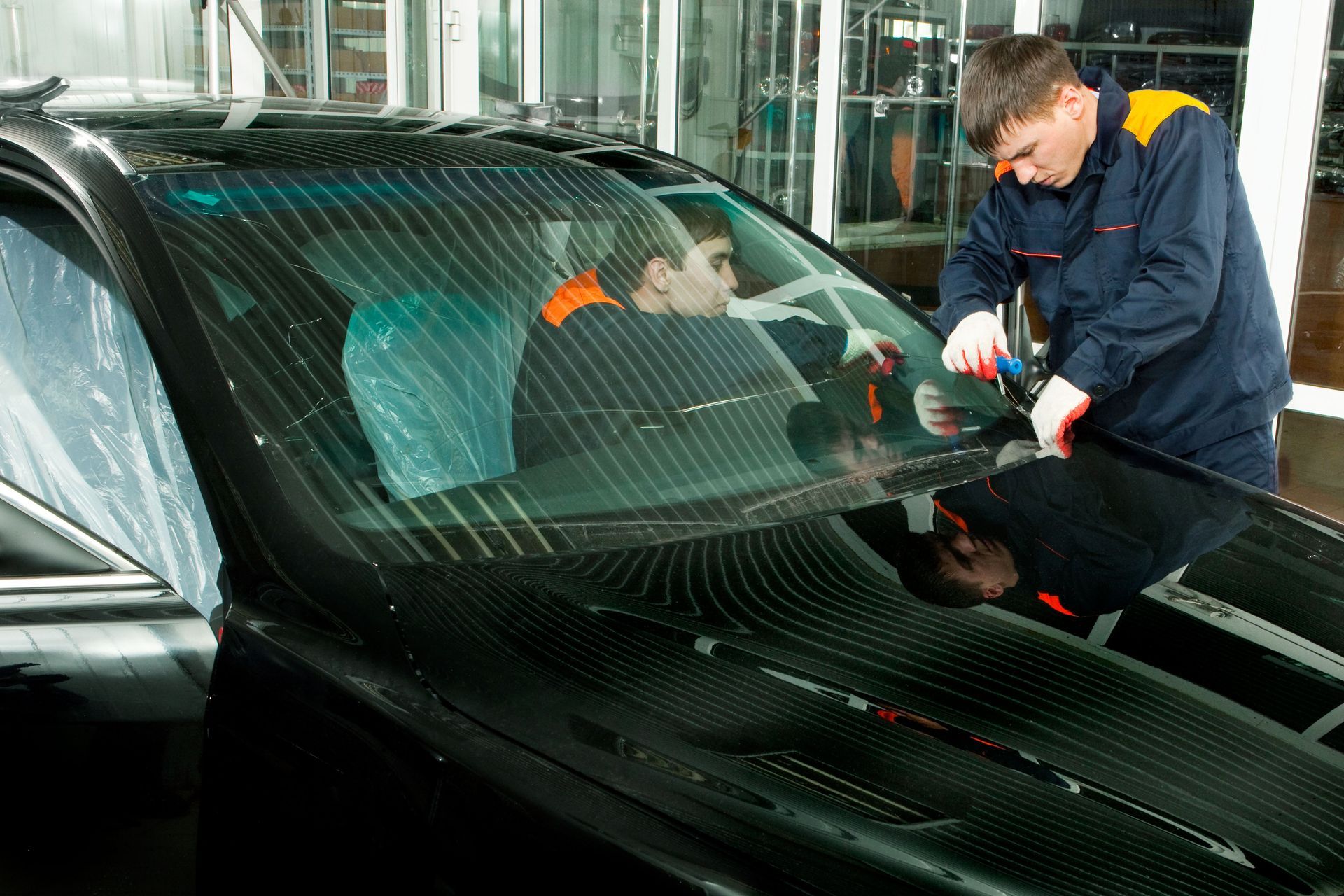
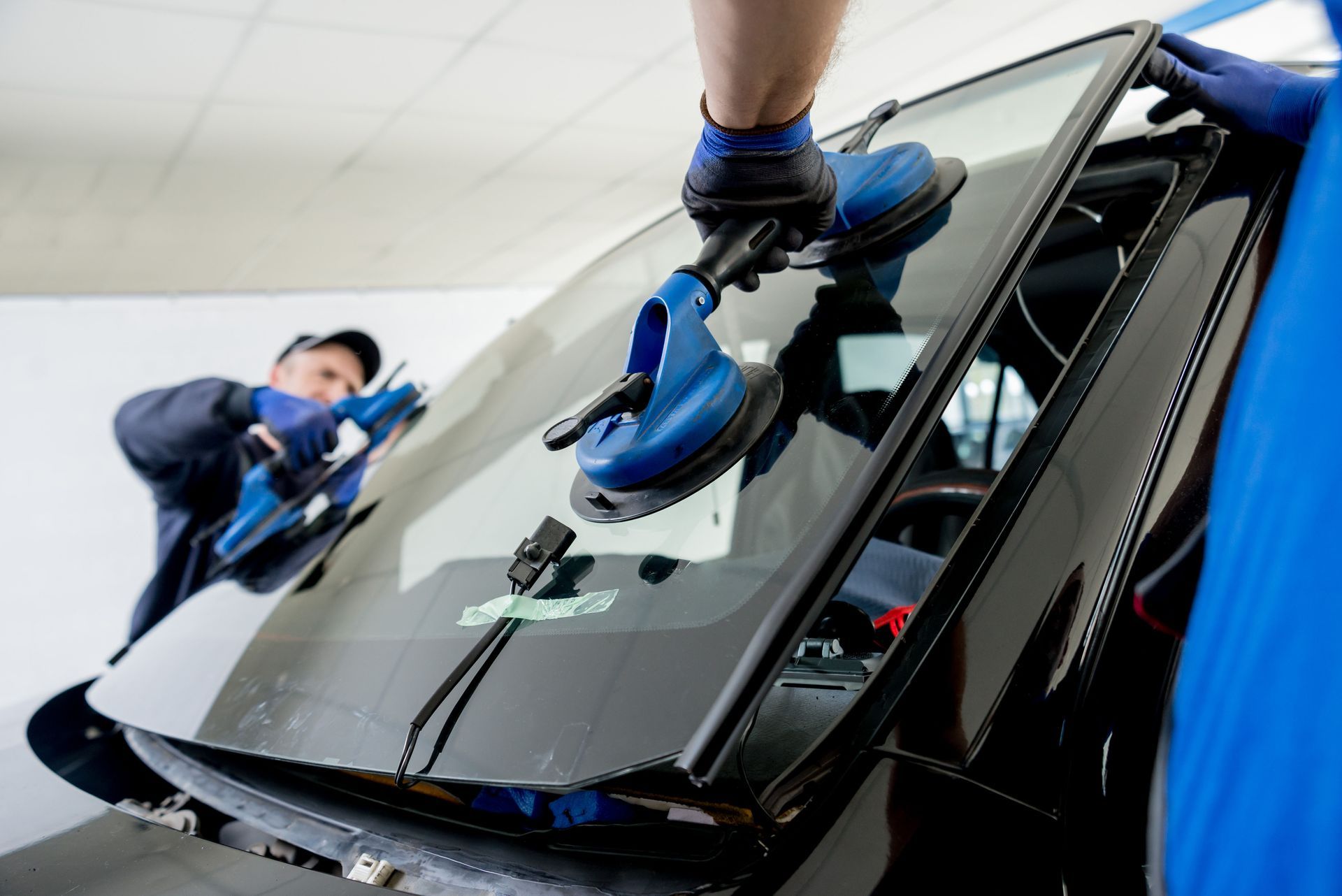
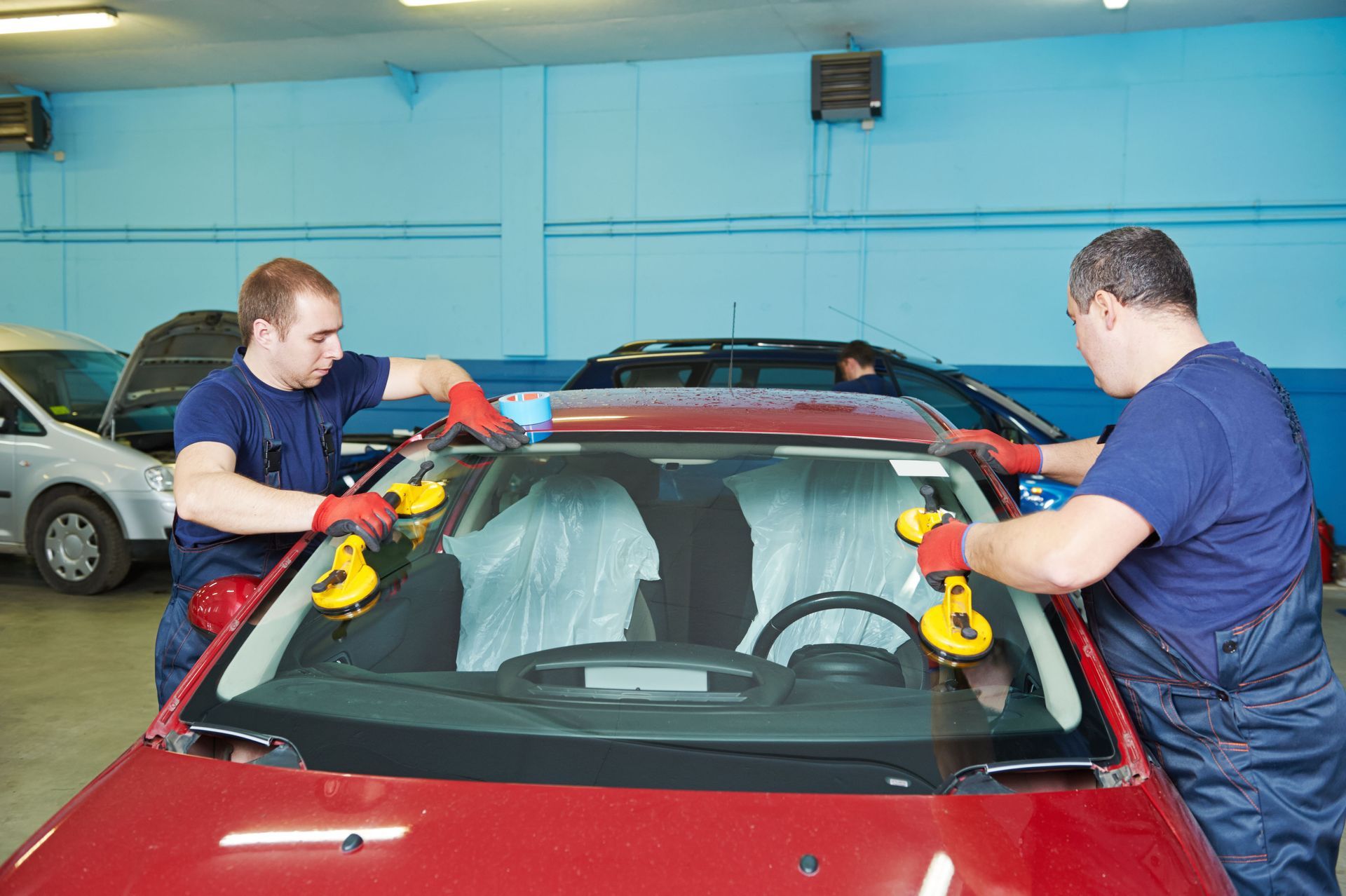
Replacement is recommended for extensive damage, multiple chips, large cracks, or edge-related fractures. Delamination, structural weakness, or impairments affecting visibility often necessitate a full replacement. Professional guidance ensures that replacement is conducted safely and in compliance with industry standards.
Replacement preserves structural integrity and safety when repair is insufficient. Consulting professionals ensures that drivers receive accurate recommendations, aligning safety, longevity, and functionality.
Proper management of windshield damage requires understanding the difference between repair and replacement, recognizing suitable conditions for each, and seeking professional evaluation promptly. Windshield repair provides a cost-effective, safe, and environmentally responsible option for minor chips and cracks. When damage is extensive, replacement ensures continued protection and vehicle integrity.
At North Metro Glass, we provide expert guidance for every windshield concern, helping drivers make informed choices. By partnering with us, vehicle owners can ensure timely, high-quality service that maintains safety and performance on the road. Let us help you restore your windshield effectively and efficiently with professional care and attention.


Share On: