
Modern vehicles are more technologically advanced than ever before, incorporating sophisticated safety systems designed to help drivers avoid collisions and navigate roads more safely. Many of these features rely on cameras, sensors, and radar systems that work together as part of an Advanced Driver Assistance System (ADAS). When a windshield becomes damaged and requires auto windshield replacement, many vehicle owners focus primarily on restoring visibility and structural integrity. However, they may not realize that replacing the windshield can directly affect the performance of critical safety technologies.
Today’s windshields often serve as mounting locations for forward-facing cameras and sensors used by ADAS features. If these components are not properly recalibrated after installation, the system may not function as intended. Understanding the importance of calibration can help drivers make informed decisions and ensure their vehicles remain safe and reliable after repairs.
Technology Integration
One of the biggest reasons calibration matters is the increasing integration of technology into modern windshields. Features such as lane departure warnings, lane-keeping assistance, adaptive cruise control, forward collision alerts, and automatic emergency braking frequently depend on cameras mounted behind the windshield. These cameras require precise positioning to accurately monitor road markings, traffic conditions, and surrounding vehicles.
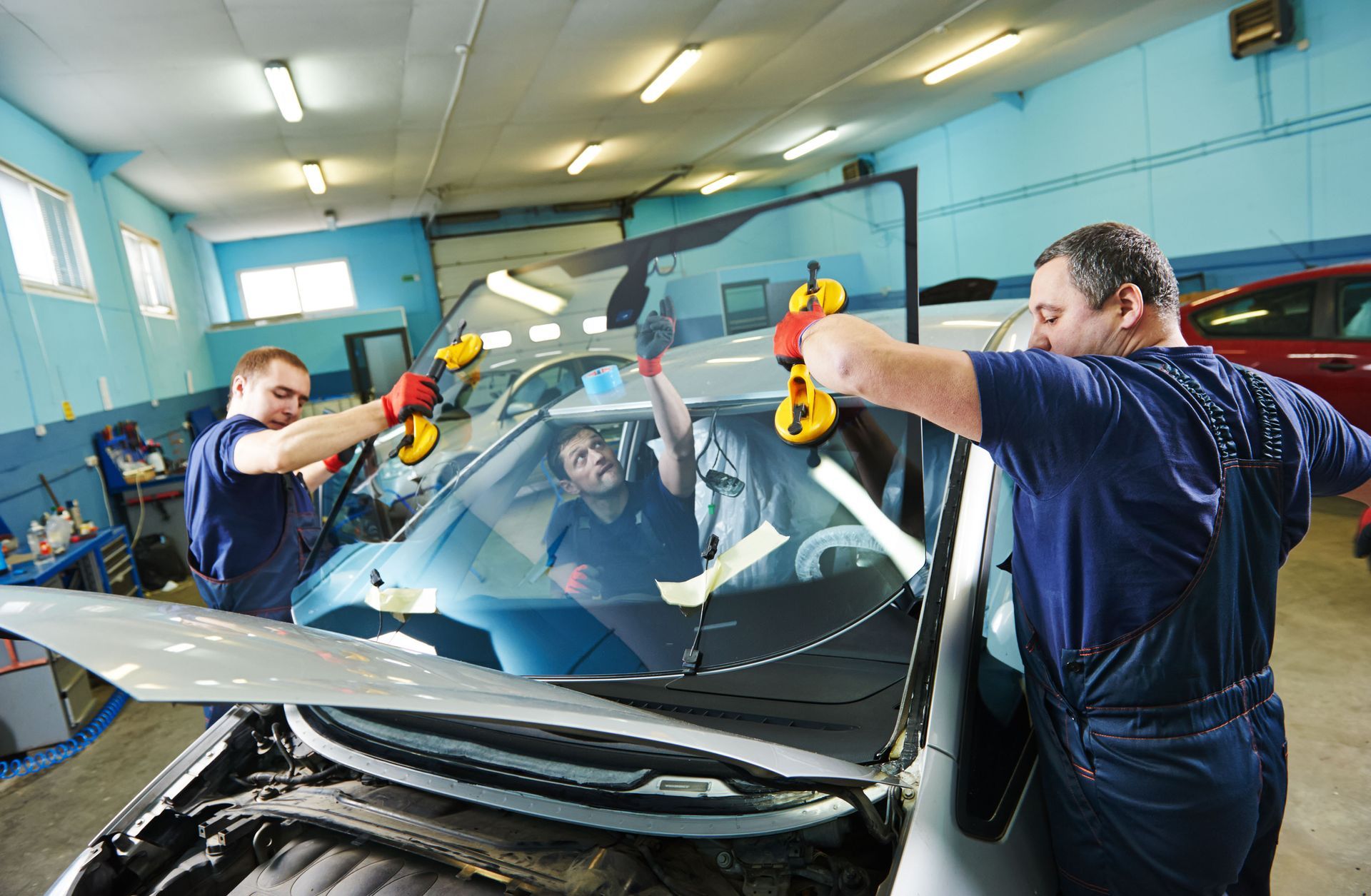
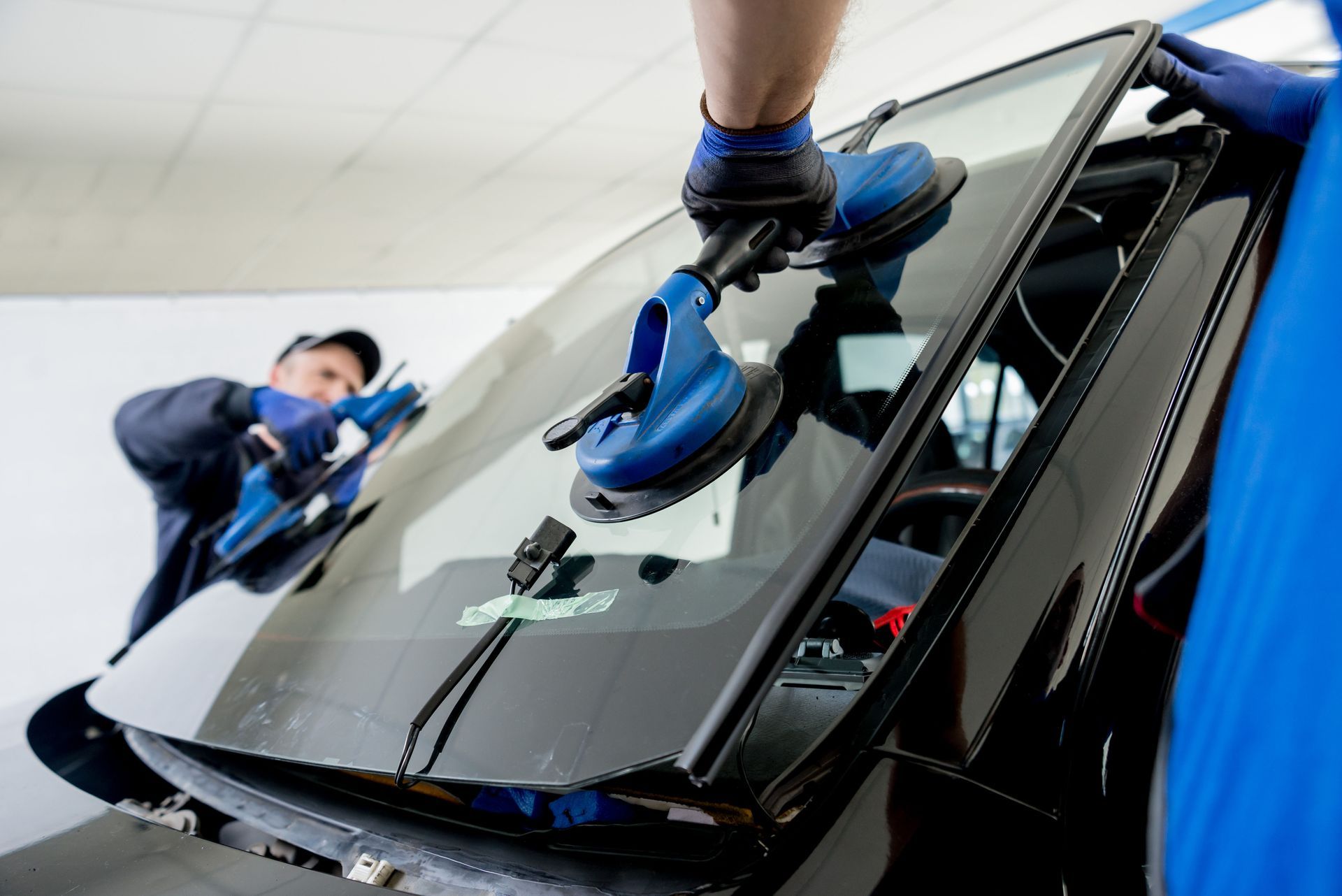
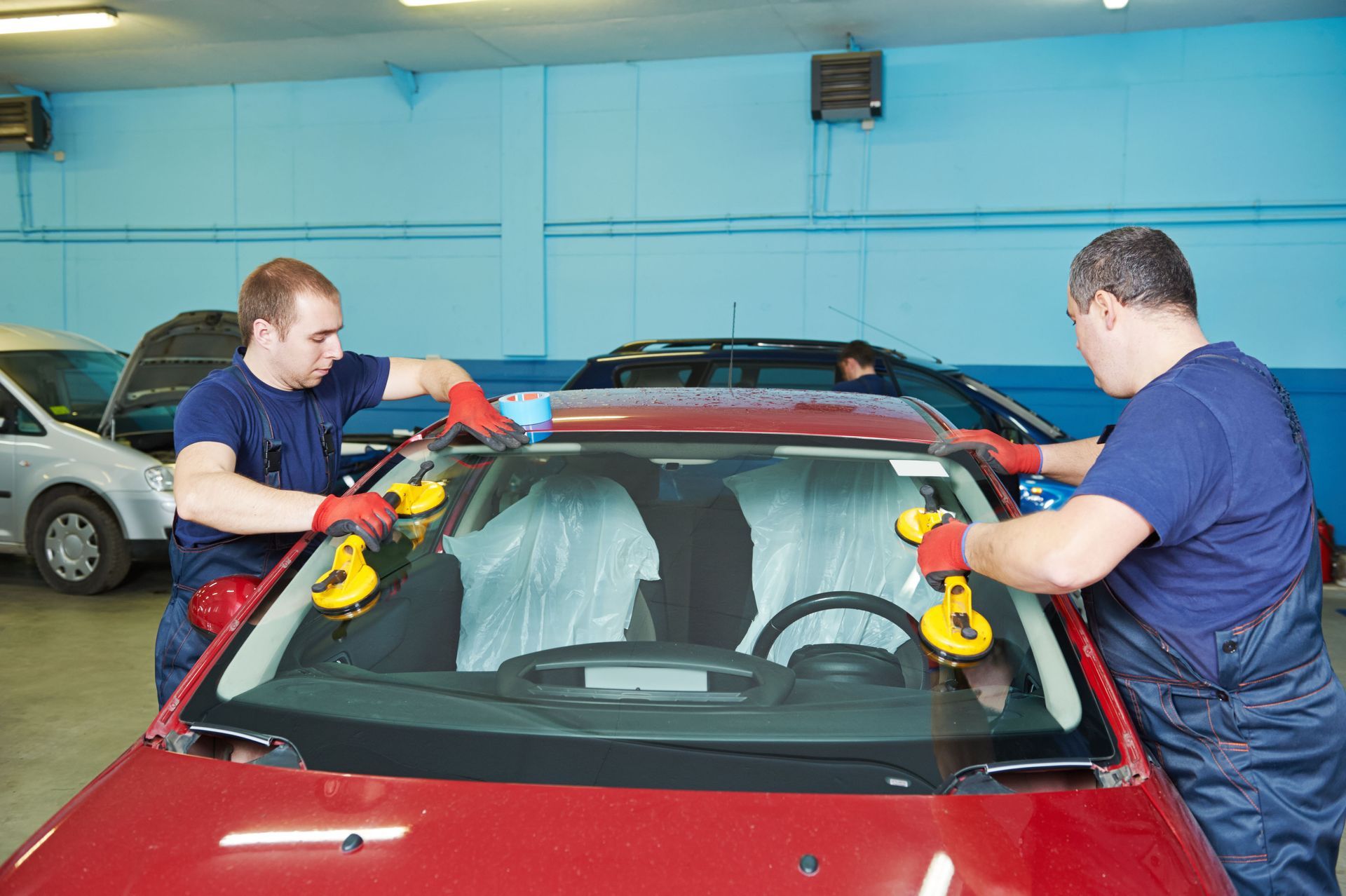
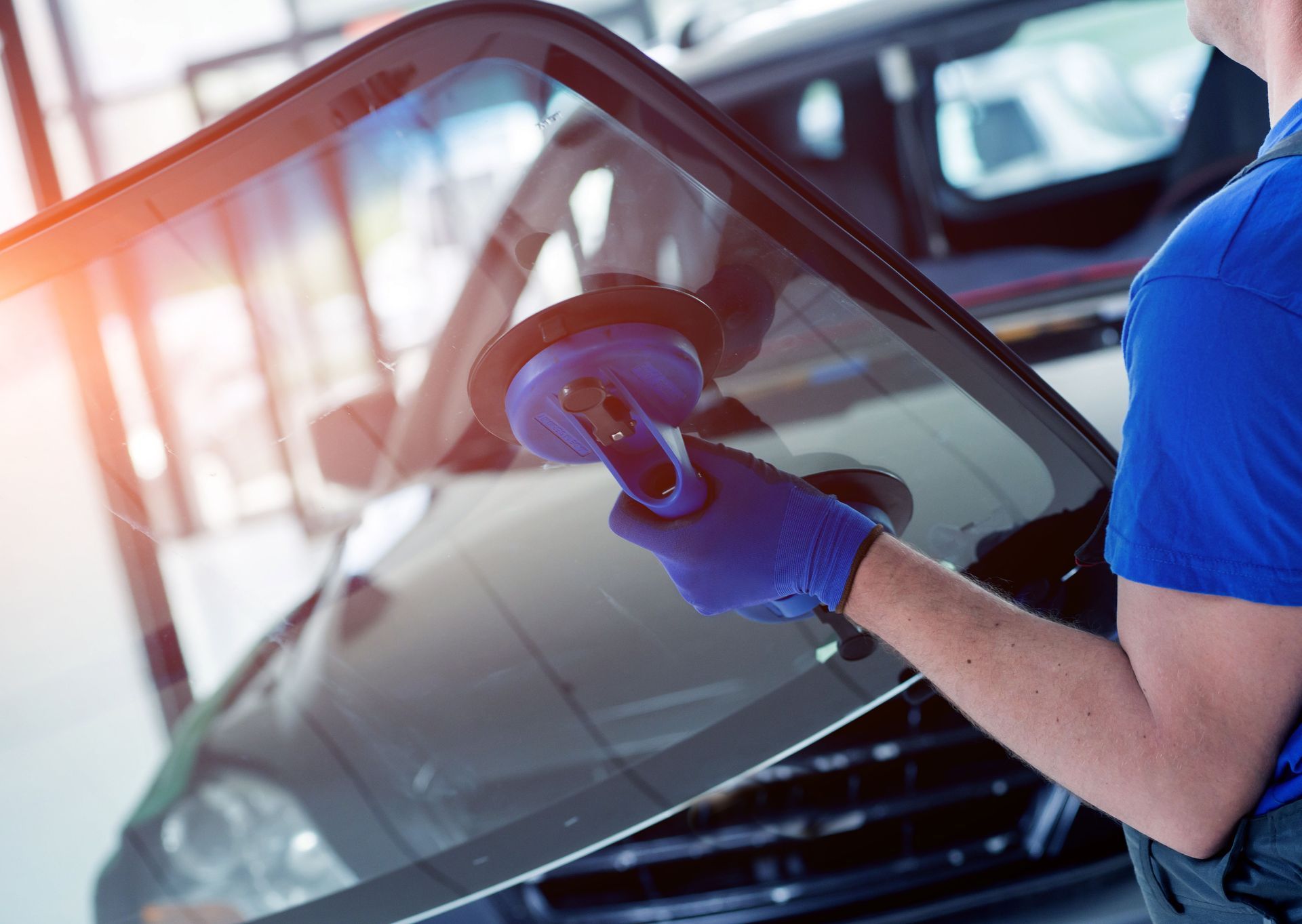
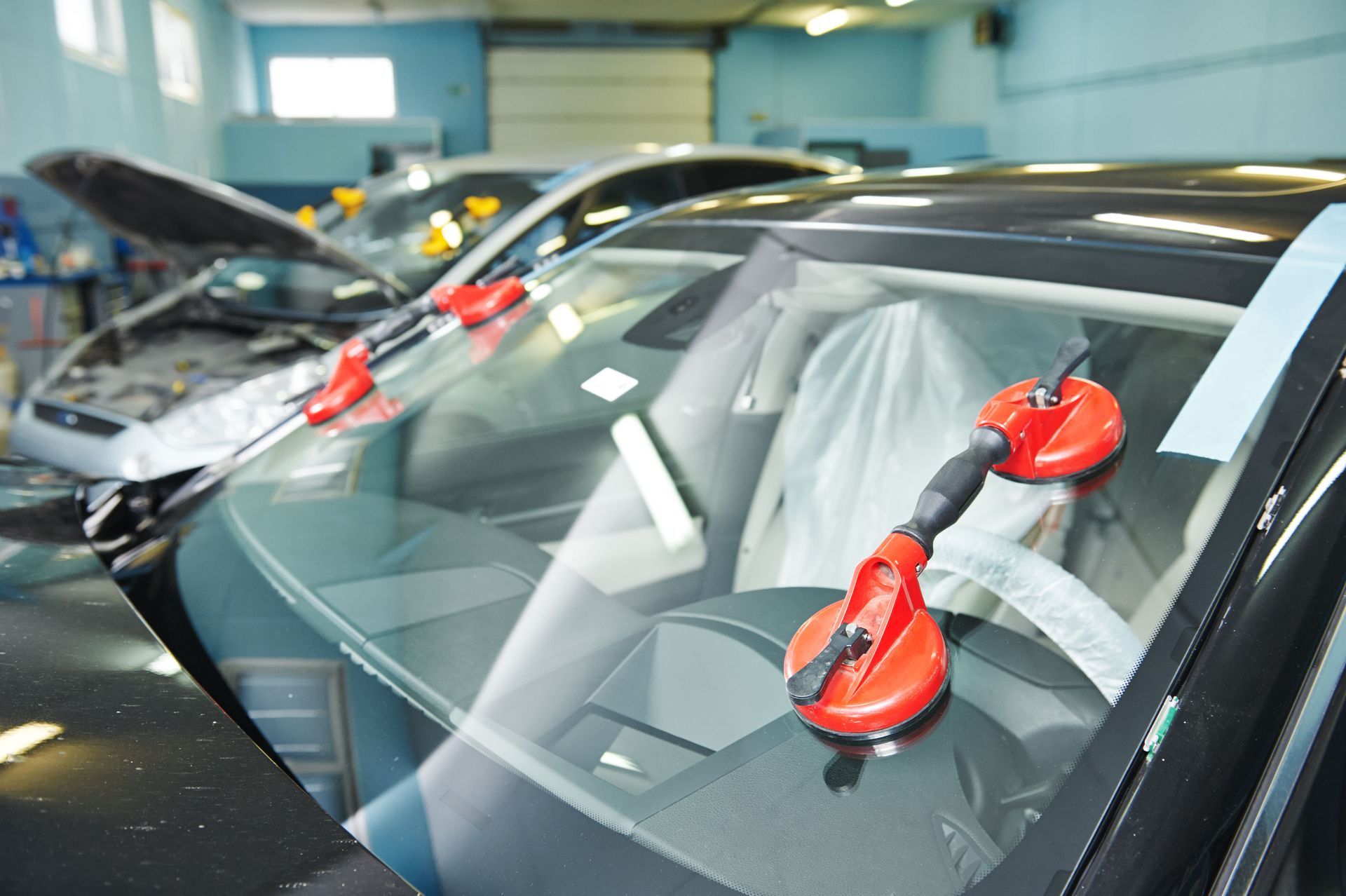
During an auto windshield replacement, the original windshield is removed, and a new one is installed. Even the slightest variation in camera alignment can affect the way the system interprets information. What appears to be a minor shift measured in millimeters may result in significant inaccuracies when the camera is viewing objects hundreds of feet ahead of the vehicle.
The automotive industry continues to see substantial growth in windshield technology. According to Fortune Business Insights, the global automotive windshield market is expected to increase from approximately $36.95 billion in 2026 to roughly $68.35 billion by 2034. This growth reflects the increasing reliance on advanced glass systems and integrated safety technologies that require proper installation and calibration procedures.
As automakers continue adding more driver-assistance features, windshield replacement becomes much more than a simple glass repair. The windshield now serves as a critical component within a larger network of safety systems. Proper calibration helps ensure that these systems communicate accurately and perform according to manufacturer specifications.
Safety Performance
Vehicle safety is perhaps the most compelling reason to prioritize calibration after auto windshield replacement. ADAS technologies are specifically designed to help reduce accidents and enhance driver awareness. When sensors or cameras are not calibrated correctly, the vehicle may provide inaccurate warnings or fail to react appropriately to hazards.
For example, a forward collision warning system relies on precise measurements to determine the distance between vehicles. If the camera angle is incorrect, the system could misjudge how close another vehicle is and either trigger unnecessary alerts or fail to issue a warning when one is needed. Both outcomes can create dangerous situations on the road.
Similarly, lane-keeping assistance systems depend on accurately detecting lane markings. A misaligned camera may interpret road markings incorrectly, causing the system to provide improper steering corrections. Drivers may experience unexpected system behavior that reduces confidence in the vehicle’s safety features.
After auto windshield replacement, calibration verifies that all ADAS components are properly aligned and functioning as intended. This process helps restore the safety performance vehicle manufacturers engineered into their systems. Skipping calibration may leave drivers unknowingly operating a vehicle with compromised safety technology.
Calibration Procedures
ADAS calibration is a highly specialized process that varies depending on the vehicle manufacturer, model, and installed technologies. Many modern vehicles require either static calibration, dynamic calibration, or a combination of both methods. Each approach is designed to ensure that cameras and sensors accurately interpret their surroundings.
Static calibration is typically performed in a controlled environment using specialized equipment, targets, and measurement tools. Technicians position the vehicle according to manufacturer specifications and use diagnostic systems to align cameras and sensors. This process demands precision because even minor measurement errors can affect system performance.
Dynamic calibration involves driving the vehicle under specific conditions while onboard systems collect data and self-adjust. Certain manufacturers require technicians to complete designated driving routes at specified speeds to allow cameras and sensors to establish proper reference points. This process may occur immediately following auto windshield replacement or after an initial static calibration.
The calibration process requires advanced training and specialized equipment. Not every repair facility possesses the necessary tools or expertise to perform these procedures correctly. Vehicle owners should work with providers that understand manufacturer requirements and can verify that all safety systems have been properly restored.
Long-Term Reliability
Beyond immediate safety concerns, proper calibration contributes to the long-term reliability of vehicle systems. ADAS technologies rely on accurate data to function consistently over time. A system that starts with improper calibration may experience ongoing performance issues that become increasingly noticeable during everyday driving.
Drivers may encounter false alerts, inconsistent adaptive cruise control performance, or unexpected lane-departure notifications. These issues can create frustration and may cause some drivers to ignore warnings altogether. When safety systems generate unreliable information, their overall effectiveness decreases significantly.
Performing calibration after auto windshield replacement helps maintain the integrity of these advanced technologies. Properly aligned cameras and sensors are better equipped to deliver accurate data, improving the consistency of safety features throughout the vehicle's lifespan. This contributes to a more predictable and dependable driving experience.
In addition, documented calibration procedures may support warranty compliance and help preserve vehicle value. Potential buyers increasingly recognize the importance of properly maintained safety systems. Service records demonstrating that calibration was completed according to manufacturer standards can provide valuable peace of mind and reinforce confidence in the vehicle's condition.
Manufacturer Requirements
Vehicle manufacturers establish specific calibration procedures because every ADAS system is engineered differently. The positioning of cameras, radar units, and sensors can vary significantly between makes and models, meaning there is no universal calibration process that works for every vehicle. Following manufacturer guidelines helps ensure that each component functions within its intended parameters.
Many automakers explicitly require calibration whenever a windshield is replaced, even if the camera appears to be installed in the same location. The reason is that slight variations in glass thickness, mounting brackets, adhesive application, or installation angles can influence sensor performance. Manufacturers design calibration protocols to account for these variables and restore system accuracy after service.
Ignoring these requirements can lead to more than just performance issues. In some cases, improperly calibrated systems may generate diagnostic trouble codes, trigger warning lights, or limit the functionality of certain driver-assistance features. Completing the recommended procedures after auto windshield replacement helps verify that all systems meet factory standards and continue operating as designed.
For drivers, adhering to manufacturer requirements provides confidence that their vehicle's safety technologies are functioning correctly. Rather than assuming cameras and sensors remain accurate after installation, calibration offers measurable confirmation that the system is ready to support safe driving. As vehicles become increasingly dependent on advanced electronics, following these procedures is an essential part of responsible vehicle maintenance.
As vehicle technology continues to evolve, windshield replacement has become far more complex than simply installing a new piece of glass. The cameras and sensors attached to modern windshields play a vital role in supporting advanced safety systems that drivers rely on every day. Following
auto windshield replacement, proper ADAS calibration helps ensure these technologies operate accurately, reliably, and according to manufacturer specifications.
At North Metro Glass, we understand how critical modern safety systems are to your driving experience. We provide professional windshield services and will help ensure your vehicle receives the attention needed to maintain proper ADAS functionality. Contact us today, and we will help you protect both your windshield investment and the advanced safety technologies that keep you moving confidently on the road.

Share On: